Engineered Advantage & Features
JOYAM’s Custom Engineered Systems are designed to solve complex process challenges through tailored engineering and application-specific design. By aligning system configuration with real operating conditions, these solutions deliver reliable performance, optimized efficiency, and long-term operational value.
- Fully customized design based on specific process conditions
- Engineered to handle unique loads, vapors, and constraints
- Optimized performance beyond standard equipment limits
- Seamless integration with existing plant infrastructure
- Reliable operation with long service life and reduced downtime
Fields of Application
Frequently asked Questions
Custom Engineered Systems are application-specific solutions designed when standard equipment cannot meet process, performance, or operational requirements. These systems are built around actual operating conditions rather than generic specifications.
Custom solutions are required when processes involve unique loads, vapor compositions, space limitations, continuous duty cycles, or complex operating conditions that standard vacuum or process systems cannot reliably handle.
JOYAM works closely with clients to understand process challenges, operating parameters, and constraints. The system is then engineered using a combination of vacuum technology, mechanical design, and process knowledge to deliver a reliable, fit-for-purpose solution.
Yes. Custom Engineered Systems are designed to integrate seamlessly with existing plant infrastructure. This includes compatibility with current equipment, layouts, controls, and utilities while improving overall system performance.
Yes. These systems are engineered for continuous and demanding industrial operation. Robust component selection, optimized system design, and application-specific engineering ensure stable performance and long service life.
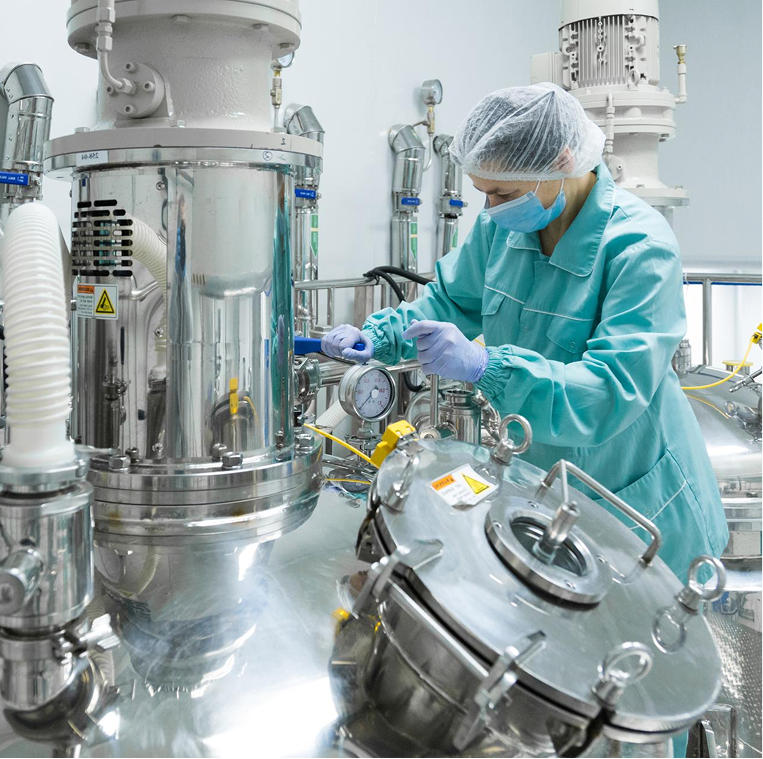
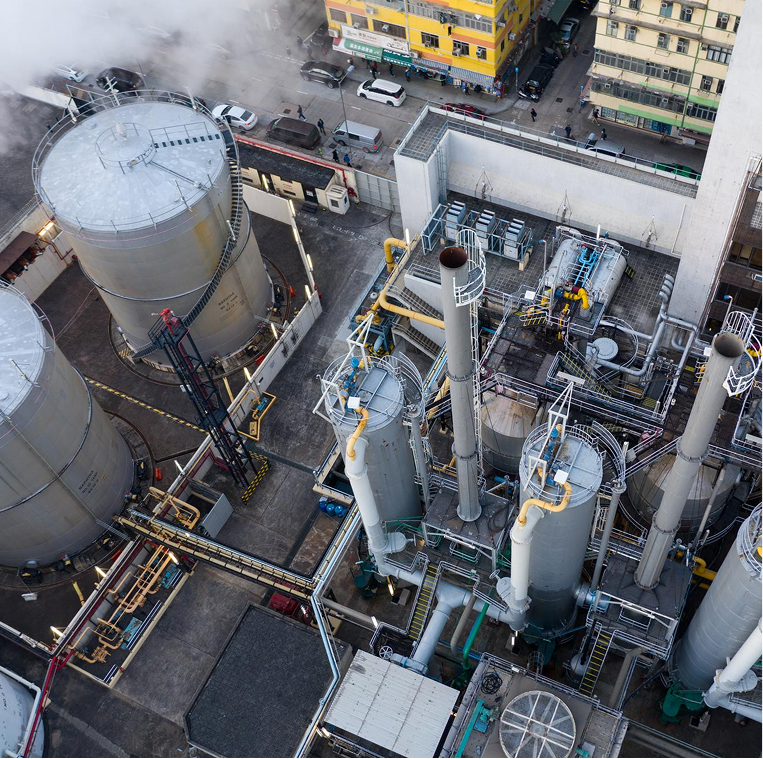
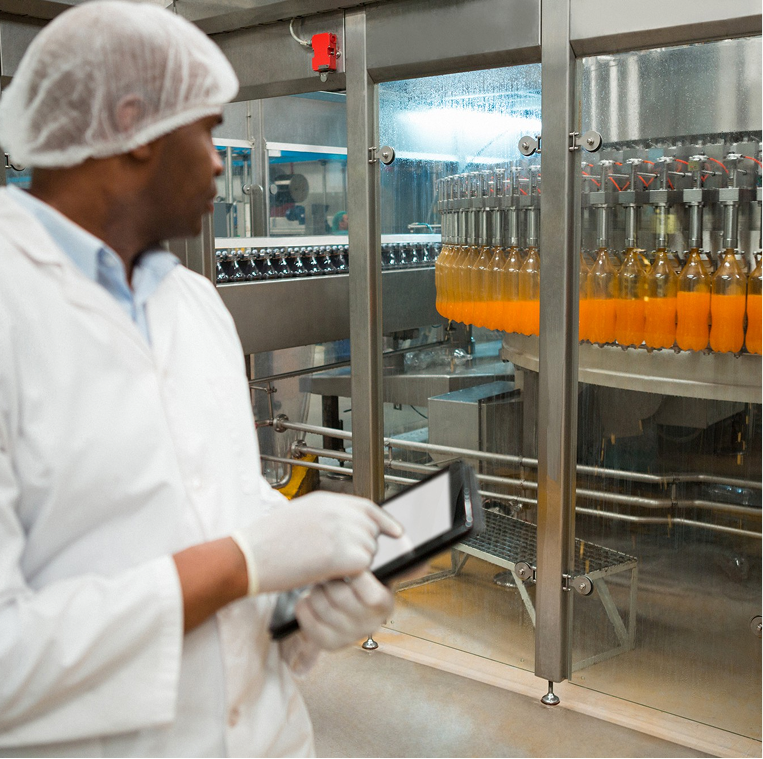
Custom Engineered Systems are widely used in chemical processing, pharmaceutical and specialty manufacturing, high-temperature or vapor-heavy processes, retrofit installations, and centralized multi-process industrial facilities.
Development timelines depend on process complexity, system scope, and customization level. JOYAM’s engineering team works closely with clients to define requirements, design the solution, and deliver the system within agreed project timelines.
Want to know more about liquid ring technology?
Contact Us
Engineering India. Powering the World.
Our next chapter is about scale, expanding the reach of dependable Indian engineering to the industries that need it most.
We’re strengthening global partnerships, advancing performance standards, and growing our footprint beyond borders.
Because the future of manufacturing demands vacuum technology that is reliable, efficient, and always evolving — no matter where the production line runs.

Engineered Advantage & Features
JOYAM’s Heat Exchangers are designed to deliver efficient thermal transfer with reliable performance under demanding industrial conditions. Optimized flow paths, robust construction, and precise engineering ensure effective heat recovery, stable temperature control, and long service life in continuous operations.
- Efficient heat transfer ensures precise temperature control
- Robust construction supports high pressure and temperature duty
- Optimized flow design improves thermal efficiency
- Suitable for integration with vacuum and process systems
- Reliable performance under continuous industrial operation
Fields of Application
Frequently asked Questions
A Heat Exchanger is used to transfer heat between two process fluids without direct contact. It supports heating, cooling, or heat recovery in industrial processes while maintaining controlled temperatures and efficient energy utilization.
JOYAM Heat Exchangers are used in chemical processing, vacuum systems, pharmaceutical and food production, thermal processing, energy recovery, and centralized industrial facilities where precise temperature control is required.
By recovering and reusing thermal energy from process streams, Heat Exchangers reduce the need for external heating or cooling. This lowers energy consumption, improves process efficiency, and reduces overall operating costs.
Yes. JOYAM Heat Exchangers are engineered with robust materials and optimized flow geometry to handle high pressures, elevated temperatures, and demanding industrial operating conditions safely and reliably.
Yes. These systems are designed for continuous industrial duty. Precision engineering and durable construction ensure stable thermal performance and long service life under sustained operating conditions.
Yes. JOYAM Heat Exchangers are commonly integrated with vacuum pumps and thermal processing systems to manage heat generated during compression, vapor handling, or process heating, supporting stable vacuum performance.
Selection depends on process temperature, pressure, fluid type, heat load, and operating conditions. JOYAM’s engineering team evaluates these parameters to design or recommend a Heat Exchanger tailored to the application.
Want to know more about liquid ring technology?
Contact Us
Engineering India. Powering the World.
Our next chapter is about scale, expanding the reach of dependable Indian engineering to the industries that need it most.
We’re strengthening global partnerships, advancing performance standards, and growing our footprint beyond borders.
Because the future of manufacturing demands vacuum technology that is reliable, efficient, and always evolving — no matter where the production line runs.
Engineered Advantage & Features
JOYAM’s Vacuum Receivers with activated carbon are designed to capture vapors and contaminants from vacuum streams while maintaining stable system performance. Optimized internal flow, effective adsorption media, and robust construction ensure reliable vapor control, cleaner exhaust, and protection of downstream equipment in continuous industrial operation.
- Activated carbon absorbs solvent vapors and harmful compounds
- Protects vacuum pumps and downstream exhaust systems
- Maintains stable vacuum performance without pressure fluctuations
- Robust construction ensures safe and reliable operation
- Suitable for integration with vacuum and emission control systems
Fields of Application
The JOYAM Two Stage Liquid Ring Vacuum Pump is designed for processes that demand stable vacuum levels, reliable vapor handling, and continuous operation. Its ability to perform under moisture rich and variable load conditions makes it suitable for critical industrial applications where process consistency and control are essential.
Frequently asked Questions
A vacuum receiver with activated carbon is used to capture and adsorb solvent vapors, odors, and harmful compounds from vacuum exhaust streams before discharge, improving safety, emission control, and system reliability.
Activated carbon adsorbs vapors and volatile compounds through its high surface area structure. As exhaust gases pass through the receiver, harmful substances are trapped, allowing cleaner gases to exit the system.
These receivers are usually installed downstream of vacuum pumps to treat exhaust gases before release to the atmosphere or further processing, protecting downstream equipment and supporting environmental compliance.
JOYAM’s activated carbon vacuum receivers can handle solvent vapors, chemical fumes, odorous compounds, and hazardous gases commonly generated in chemical, pharmaceutical, and solvent-based industrial processes.
When properly designed, the receiver maintains stable vacuum performance without causing significant pressure drop. JOYAM’s optimized internal flow design ensures effective vapor adsorption while preserving system efficiency.
Replacement frequency depends on vapor load, process conditions, and operating hours. Periodic inspection and monitoring help determine when the carbon media should be replaced to maintain adsorption efficiency.
Yes. JOYAM’s vacuum receivers are engineered for continuous duty with robust construction, reliable sealing, and stable adsorption performance, making them suitable for demanding industrial environments.
Want to know more about liquid ring technology?
Contact Us
Engineering India. Powering the World.
Our next chapter is about scale, expanding the reach of dependable Indian engineering to the industries that need it most.
We’re strengthening global partnerships, advancing performance standards, and growing our footprint beyond borders.
Because the future of manufacturing demands vacuum technology that is reliable, efficient, and always evolving — no matter where the production line runs.